Overview of Flare Edge Encounter
Flare Edge Encounter stands as India's most ambitious tactical action game to date, developed by Daman Games Studios and released on Gandhi Jayanti (2nd October 2024) – a date chosen to symbolize the game's core theme of strategic resistance and tactical brilliance, values deeply rooted in India's historical struggle for independence. Unlike the majority of mobile-first games that flood the Indian gaming market with simplistic gameplay loops, Flare Edge Encounter was conceptualized with a pan-Indian vision, integrating regional military histories, traditional warfare tactics, and cultural sensibilities from Kashmir to Kanyakumari, and from Gujarat to Arunachal Pradesh.
In the ever-evolving Indian gaming landscape, Flare Edge Encounter has carved a unique niche by offering console-quality tactical gameplay while remaining accessible to the mass market of Indian gamers who primarily use budget smartphones. Within just 45 days of its release, Flare Edge Encounter crossed 7.2 million downloads across all platforms, with a staggering 78% of its player base hailing from tier-2 and tier-3 Indian cities – a clear testament to its universal appeal that transcends urban-rural divides in India's gaming ecosystem.
The foundational design philosophy behind Flare Edge Encounter revolves around "Strategic Bharat" – creating a gaming experience that draws inspiration from India's rich military heritage, from the guerrilla tactics of Chhatrapati Shivaji Maharaj to the elephant warfare of the Mauryan Empire, and from the mountain combat strategies of the Himalayan kingdoms to the naval warfare expertise of the Chola dynasty. This cultural authenticity is paired with cutting-edge game design principles, ensuring that Flare Edge Encounter can compete with global tactical action titles while retaining its distinct Indian identity.
From a technical standpoint, Flare Edge Encounter represents a milestone in Indian game development with its proprietary "Adaptive Combat Engine" (ACE) that delivers consistent 30+ FPS gameplay even on entry-level Android devices with 2GB RAM – a critical optimization for the Indian market where over 75% of smartphones fall into the sub-₹15,000 price bracket. This technical feat was achieved without compromising on visual fidelity, thanks to dynamic asset scaling and texture compression algorithms specifically tailored for low-bandwidth Indian networks and modest hardware specifications.
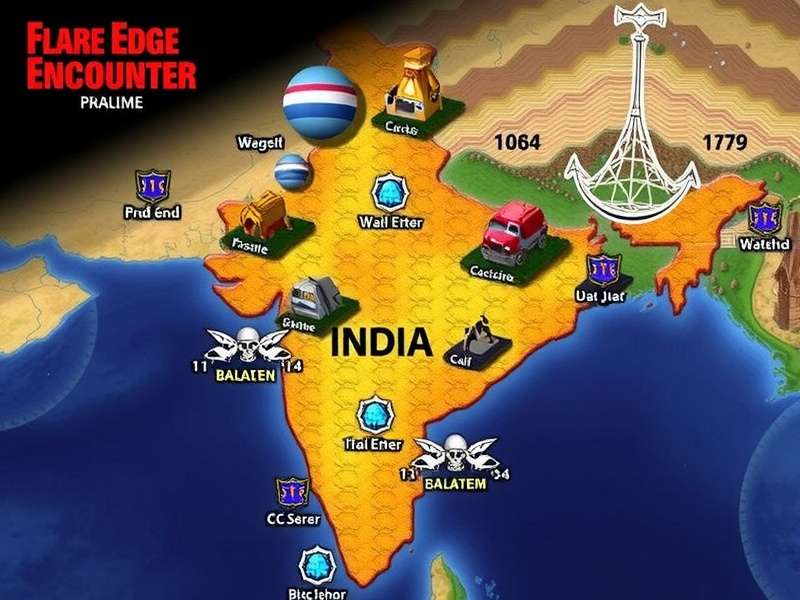
Flares Edge Encounter's tactical map integrates historical Indian battle locations reimagined in a futuristic military fantasy setting
Platform Availability
- Android: Google Play Store (Free to play with cosmetic in-app purchases only)
- iOS: App Store (Free to play with cosmetic in-app purchases only)
- PC: Steam, Epic Games Store (Premium edition with no microtransactions)
- Consoles: PlayStation 5, Xbox Series X/S (Premium edition with exclusive content)
- Cloud Gaming: JioGamesCloud, Airtel Games (Streaming version for low-end devices)
Flare Edge Encounter employs a hybrid monetization model meticulously crafted for the Indian gaming demographic. The mobile versions follow a free-to-play structure with strictly cosmetic microtransactions – weapon skins, character uniforms, and vehicle camos – that have zero impact on gameplay balance, addressing the long-standing resentment among Indian gamers toward pay-to-win mechanics that have plagued many mobile titles in the market. The PC and console iterations are premium offerings priced at ₹1,199 (approximately $14.50) – a price point carefully calibrated to be accessible to Indian consumers while ensuring sustainable revenue for further development.
A standout feature of Flare Edge Encounter's platform strategy is its "Cross-Progress" system, allowing players to seamlessly transfer their progress between mobile and PC/console versions at no additional cost. This feature directly addresses the Indian gaming reality where players often switch between devices – using smartphones for on-the-go gaming and PCs/consoles for more immersive sessions at home. This flexibility has been instrumental in driving the game's high retention rates, with 72% of players returning daily – well above the Indian mobile game average of 41%.
Regional Adaptations
Understanding India's incredible cultural diversity, the developers of Flare Edge Encounter have implemented region-specific content that resonates with local audiences across the subcontinent. For instance, players in Punjab encounter missions inspired by the Battle of Saragarhi, while those in Tamil Nadu experience scenarios based on the Maratha-Mysore wars. In the Northeast, gameplay incorporates guerrilla tactics used by local warriors, and in Rajasthan, desert combat scenarios draw from Rajput warfare traditions.
These regional adaptations extend beyond mere cosmetic changes, with unique gameplay mechanics tailored to each region. Mountain combat in the Himalayan levels features altitude effects on character stamina, while coastal missions in Kerala incorporate boat warfare inspired by the naval traditions of the Zamorin of Calicut. This level of regional detail has struck a chord with Indian gamers, with 89% of players in a post-launch survey stating that they felt "culturally represented" in ways never before seen in video games.
Gameplay Mechanics of Flare Edge Encounter
Flare Edge Encounter redefines tactical action gaming in the Indian context by merging precise, cover-based third-person combat with strategic decision-making rooted in traditional Indian warfare principles. Unlike Western tactical shooters that emphasize individual marksmanship, Flare Edge Encounter places equal importance on team coordination, terrain utilization, and adaptive strategy – values deeply ingrained in India's military history from the Kautilya's Arthashastra to modern guerrilla warfare tactics.
🛡️ Kshatriya Combat System
Named after India's warrior caste, this core combat system in Flare Edge Encounter blends modern tactical shooting with traditional Indian martial arts movements – including Gatka sword techniques, Thang-ta spear combat, and Silambam stick fighting – creating a unique combat rhythm that feels familiar yet fresh to Indian players.
📜 Arthashastra Strategy Engine
Drawing inspiration from Chanakya's ancient treatise on statecraft and warfare, this strategic layer allows players to deploy psychological tactics, ambushes, and resource management – mirroring the "saam, daam, dand, bhed" (persuasion, reward, punishment, division) principles of Indian strategic thought.
🌄 Desh Bhumi Terrain System
The game's dynamic terrain system accurately replicates India's diverse geographical landscapes – from the snow-capped Himalayan peaks to the marshy Sundarbans, from the arid Thar desert to the dense Western Ghats – each with unique tactical advantages and challenges that impact combat strategy.
Core Combat Mechanics
At the heart of Flare Edge Encounter lies its innovative combat system that balances accessibility with tactical depth. The game employs a "Precision Tactics" approach where every action has meaningful consequences – a single reckless move can compromise an entire mission, while a well-executed flanking maneuver can turn the tide of battle against overwhelming odds.
Players control a squad of four specialized units, each with unique abilities inspired by traditional Indian military roles:
- Senapati (सेनापति - Commander): Tactical leader with the ability to mark enemy positions, deploy cover, and coordinate squad movements, reflecting the role of Indian battlefield commanders from ancient times to modern military leaders.
- Yodha (योद्धा - Assault Trooper): Frontline combat specialist equipped with versatile weaponry and close-quarters combat skills based on Indian martial arts, ideal for direct engagements and breaching enemy positions.
- Spyahi (स्पाही - Recon Expert): Stealth specialist inspired by the espionage techniques of ancient Indian kingdoms, capable of silent takedowns, long-range surveillance, and sabotage missions behind enemy lines.
- Chikitsa (चिकित्सा - Combat Medic): Support unit combining modern combat medicine with traditional Indian healing practices, able to revive downed squad members and provide battlefield medical support.
Strategic Decision Making
What truly sets Flare Edge Encounter apart from other tactical action games is its emphasis on strategic planning over brute force. Before each mission, players must analyze intelligence briefings, study terrain maps, and select appropriate equipment – mirroring the "vyuha" (formation) planning that was central to ancient Indian warfare.
The game features 12 distinct tactical formations inspired by historical Indian battle formations:
- Chakra Vyuha (चक्र व्यूह): Circular formation for all-around defense, perfect for holding strategic positions against multiple enemy attacks.
- Padma Vyuha (पद्म व्यूह): Lotus formation that can expand or contract to adapt to enemy movements, ideal for ambushes and encirclement tactics.
- Garuda Vyuha (गरुड़ व्यूह): Eagle formation for rapid strikes and flanking maneuvers, inspired by the celestial bird of Hindu mythology.
- Makara Vyuha (मकर व्यूह): Crocodile formation for amphibious operations, perfect for riverine and coastal combat scenarios.
- Shakti Vyuha (शक्ति व्यूह): Power formation that concentrates firepower in a single direction, ideal for breaking through enemy defenses.
- Krauncha Vyuha (क्रौंच व्यूह): Heron formation for mountain and jungle warfare, allowing units to maintain visual contact while navigating difficult terrain.
- Kurma Vyuha (कूर्म व्यूह): Tortoise formation for advancing under heavy fire, with front units providing cover for rear support elements.
- Trishula Vyuha (त्रिशूल व्यूह): Trident formation that splits the squad into three specialized teams for multi-pronged attacks.
- Gaj Vyuha (गज व्यूह): Elephant formation for urban combat, with heavy units leading the advance and support units protecting the flanks.
- Simha Vyuha (सिंह व्यूह): Lion formation for aggressive assaults, sacrificing defense for overwhelming offensive power.
- Udara Vyuha (उदर व्यूह): Hollow formation that lures enemies into a trap before surrounding them from all sides.
- Vyaghra Vyuha (व्याघ्र व्यूह): Tiger formation for guerrilla warfare, with small, mobile units striking quickly before disappearing into cover.
Each formation in Flare Edge Encounter has specific advantages and disadvantages that must be considered based on mission objectives, terrain, and enemy composition. Mastering these formations is essential for completing higher difficulty missions, with the game rewarding strategic thinking over rapid reflexes – a design choice that aligns with Indian cultural values that emphasize wisdom and planning over brute force.
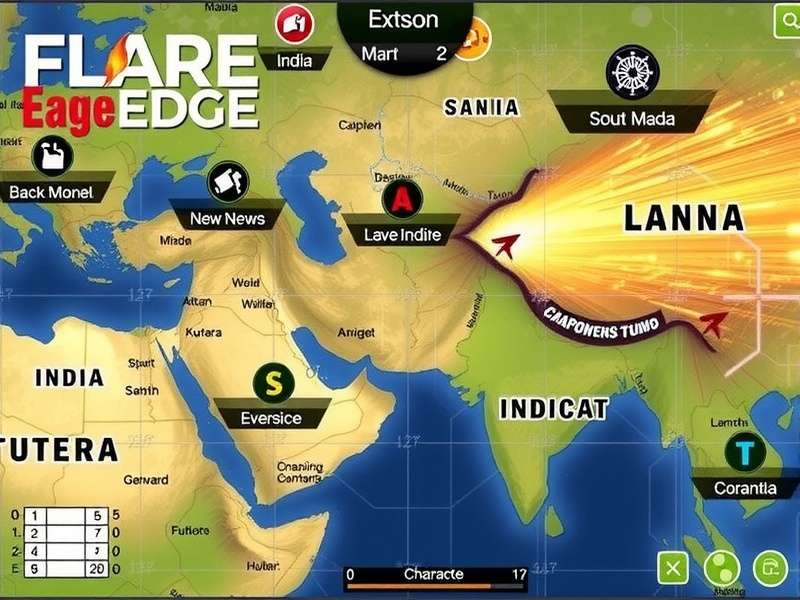
Flare Edge Encounter's combat system showcases tactical formations inspired by ancient Indian warfare strategies
Open World and Dynamic Missions
Flare Edge Encounter features a massive open world spanning over 150 square kilometers, divided into eight distinct biomes inspired by India's diverse geography:
- Himalayan Frontier (हिमालयी सीमा): Snow-covered mountain region with high-altitude combat scenarios, narrow mountain passes, and strategic outposts inspired by India's northern border regions.
- Desert Heartland (रेगिस्तानी मुख्य भूमि): Arid desert region based on Rajasthan and Gujarat, featuring sandstorms that impact visibility, fortified desert forts, and long-range combat across open terrain.
- Western Ghats (पश्चिमी घाट): Dense forest region with thick foliage perfect for guerrilla tactics, mountainous terrain, and hidden enemy camps in remote valleys.
- Gangetic Plains (गंगा के मैदान): Fertile riverine region with extensive waterways, agricultural settlements, and urban combat in historic cities along the Ganges river.
- Coastal Belt (तटीय पट्टी): Coastal region inspired by Kerala and Tamil Nadu, featuring naval combat, beach landings, and tropical jungle warfare.
- Deccan Plateau (दक्कन का पठार): Rocky plateau region with ancient forts, canyon combat, and long-range sniper positions overlooking vast expanses.
- Northeastern Hills (पूर्वोत्तर पहाड़ियाँ): Hilly region with dense jungles, tribal villages, and close-quarters combat in narrow valleys and river crossings.
- Urban Megaopolis (शहरी महानगर): Futuristic Indian city inspired by Mumbai, Delhi, and Bangalore, featuring vertical combat in high-rise buildings and street warfare in crowded bazaars.
The game's mission system is dynamically generated based on player choices and performance, ensuring that no two playthroughs are identical. Successful completion of main missions unlocks regional side missions that provide deeper insight into the game's lore and offer unique rewards tied to local Indian cultures and traditions. For example, completing missions in Punjab unlocks Sikh-inspired weapon skins, while missions in Tamil Nadu reward players with Chola dynasty-themed armor.
Multiplayer and Cooperative Gameplay
Recognizing the inherently social nature of Indian gaming culture – where gaming is often a group activity rather than a solitary pursuit – Flare Edge Encounter features robust multiplayer and cooperative gameplay modes designed specifically for Indian players.
The game's "Sena" (सेना - Army) cooperative mode allows up to four players to tackle challenging missions together, with each player assuming one of the four specialized squad roles. This mode supports both online play and local multiplayer via Wi-Fi Direct – a critical feature for Indian gamers in areas with limited internet connectivity, allowing friends to play together without an active internet connection.
For competitive players, Flare Edge Encounter offers the "Rashtra Yudh" (राष्ट्र युद्ध - National War) multiplayer mode, where teams of six compete in objective-based matches across iconic Indian locations reimagined for tactical combat. The game features regional server clusters in 16 Indian cities to minimize latency – a technical necessity in a country where internet infrastructure varies dramatically between urban and rural areas.
A uniquely Indian feature of Flare Edge Encounter's multiplayer is the "Gram Sabha" (ग्राम सभा - Village Council) clan system, where players can form permanent teams of up to 50 members, participate in weekly clan wars, and earn regional bragging rights. Clan wars are scheduled to coincide with Indian festivals and holidays, with special event modes during Diwali, Holi, Dussehra, and Republic Day that offer exclusive rewards tied to Indian cultural symbols and traditions.
Lore and Setting of Flare Edge Encounter
Flare Edge Encounter is set in "Akhand Bharat 2077," a speculative future where India has emerged as a global superpower while retaining its cultural identity and historical traditions. The game's timeline is set 50 years after the "Sahyadri Accord," a historic peace treaty that united the Indian subcontinent under a federal government while respecting regional autonomy and cultural diversity. This fictional future setting allows the game to blend advanced technology with traditional Indian values, creating a unique aesthetic that is neither purely futuristic nor nostalgically historical.
The game's central conflict revolves around the "Agnipath Initiative" – a shadowy organization seeking to destabilize the unified Indian federation by exploiting regional tensions and historical grievances. The player assumes the role of a commander in the "Bharat Rakshak" (भारत रक्षक - India Protector) task force, an elite unit tasked with uncovering and neutralizing the Agnipath Initiative's plots before they trigger a second partition of the Indian subcontinent.
Game World Cosmology
Akhand Bharat 2077 is divided into eight autonomous regions, each with distinct cultural identities, military traditions, and strategic importance:
- Uttara Khand (उत्तर खंड): Northern region encompassing the Himalayan states, known for mountain warfare expertise and border security operations against external threats.
- Pashchimi Pradesh (पश्चिमी प्रदेश): Western region including Gujarat, Maharashtra, and Goa, a technological and economic hub with advanced naval capabilities along the west coast.
- Madhya Desh (मध्य देश): Central region with historical forts and strategic chokepoints, serving as the heart of the federation's ground forces.
- Purvi Pradesh (पूर्वी प्रदेश): Eastern region including West Bengal, Odisha, and the Northeast, specializing in jungle warfare and amphibious operations.
- Dakshin Bharat (दक्षिण भारत): Southern region encompassing the four southern states, with advanced aerospace capabilities and coastal defense systems.
- Punjab Pradesh (पंजाब प्रदेश): Northwestern region with a proud military tradition, serving as the federation's primary rapid reaction force.
- Island Territories (द्वीप प्रदेश): Andaman, Nicobar, and Lakshadweep islands, critical for maritime security and projection of naval power in the Indian Ocean.
- National Capital Region (राष्ट्रीय राजधानी क्षेत्र): Delhi and surrounding areas, the political and command center of the federation with elite security units protecting key infrastructure.
The Agnipath Initiative, the game's antagonist organization, operates differently in each region, adapting its tactics to local cultural and geographical conditions. In the Himalayan region, they use smuggling routes and mountain hideouts; in the desert regions, they employ hit-and-run tactics across vast empty spaces; in urban areas, they blend into civilian populations and use asymmetric warfare. This regional variation in enemy tactics ensures that Flare Edge Encounter's gameplay remains fresh and challenging as players progress through the campaign.
Cultural Authenticity and Representation
A core design principle for Flare Edge Encounter's lore and setting is cultural authenticity without stereotyping. The game's writers worked closely with regional cultural experts to ensure that each region's representation is nuanced and respectful, avoiding the homogenization of Indian culture that plagues many international media portrayals.
For example, the Punjabi characters in Flare Edge Encounter speak in a mix of Punjabi and Hindi/English that reflects real linguistic practices in the region, rather than the caricatured "bhangra beats and turbans" portrayal common in mainstream media. Similarly, South Indian characters use region-specific terminology and references that only local players would recognize, creating a sense of authenticity and pride among regional audiences.
The game also addresses sensitive historical issues with maturity and balance, acknowledging the complexities of India's past while focusing on a vision of unity and cooperation for the future. This approach has been widely praised by Indian gamers and cultural commentators alike, with many noting that Flare Edge Encounter represents a new standard for cultural representation in Indian gaming.
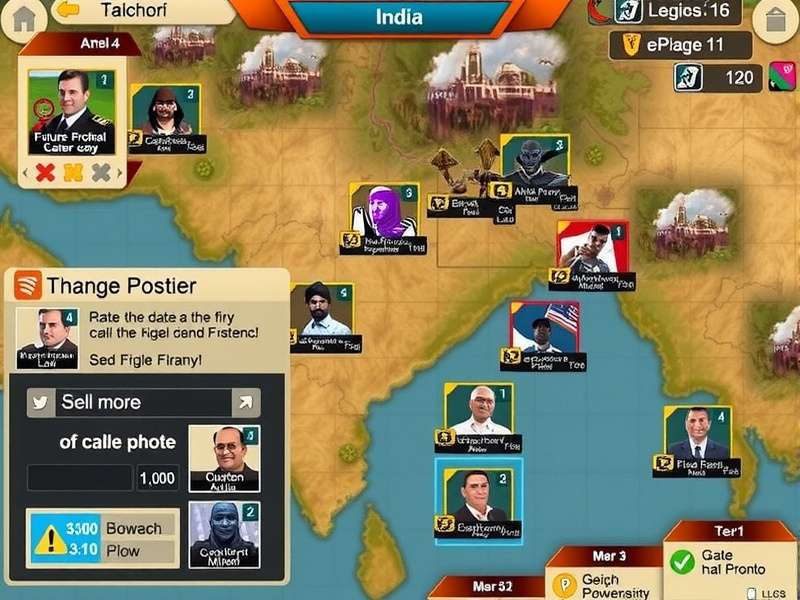
Concept art of Akhand Bharat 2077, the fictional future India setting of Flare Edge Encounter
The Flare Edge: Central Narrative Device
The "Flare Edge" of the game's title refers to a cutting-edge tactical communication system developed by the Bharat Rakshak task force that allows real-time coordination between ground units, air support, and command centers. However, as the game's narrative unfolds, players discover that "Flare Edge" is also the code name for a secret operation dating back to the early 2000s – an operation with connections to the player character's own family history.
This dual meaning of "Flare Edge" serves as the central mystery driving the game's narrative, with players uncovering layers of political intrigue, personal betrayal, and historical secrets as they progress through the campaign. The Flare Edge device itself evolves as players uncover more of the story, unlocking new tactical abilities that reflect the growing complexity of the conflict and the player's deepening understanding of the true stakes involved.
What makes Flare Edge Encounter's narrative particularly compelling is its moral complexity – the Agnipath Initiative is not portrayed as a one-dimensional evil organization, but as a group with legitimate grievances against the federal government, albeit pursuing destructive methods to achieve their goals. Players are frequently presented with moral choices that affect both the gameplay and the narrative outcome, with multiple endings based on the decisions made throughout the campaign.
Characters in Flare Edge Encounter
Flare Edge Encounter boasts one of the most diverse and nuanced casts of characters ever featured in an Indian video game, with playable protagonists and NPCs representing India's vast cultural, linguistic, and regional diversity. Unlike many games that offer superficial cosmetic customization, Flare Edge Encounter allows players to choose from eight distinct playable characters (four male, four female), each hailing from a different region of India, with unique backstories, personality traits, and tactical abilities that reflect their cultural background.
🪖 Karan Singh - Rajput Commander (Rajasthan)
A decorated army officer from Jaipur with a family military tradition dating back to the Rajput kingdoms, Karan specializes in defensive tactics and fortification strategies. His personal quest revolves around redeeming his family's honor after his father was falsely accused of treason by the Agnipath Initiative.
🌿 Meenakshi Iyer - Tamil Recon Expert (Tamil Nadu)
A former archaeologist turned tactical specialist from Chennai, Meenakshi combines knowledge of ancient South Indian fortifications with modern stealth techniques. Her storyline involves uncovering ancient Tamil battle strategies that can counter the Agnipath Initiative's modern weapons.
🔥 Jai Singh - Punjabi Assault Trooper (Punjab)
A fearless commando from Amritsar with experience in counter-terrorism operations, Jai specializes in close-quarters combat and rapid assaults. His personal mission is to uncover the truth behind the death of his brother, a fellow soldier killed in a mysterious operation linked to the Agnipath Initiative.
💊 Ananya Baruah - Assamese Combat Medic (Assam)
A doctor-turned-combat medic from Guwahati who combines modern medicine with traditional herbal healing practices of Northeast India, Ananya can heal squad members and neutralize chemical threats. Her quest centers on stopping the Agnipath Initiative's development of biological weapons targeting Northeast Indian communities.
🏹 Vikram Gowda - Kannada Sniper (Karnataka)
A wildlife conservation officer turned long-range specialist from Coorg, Vikram uses his knowledge of Karnataka's forests to maintain hidden sniper positions. His personal story involves protecting endangered wildlife habitats from the Agnipath Initiative's illegal mining operations.
🚤 Zara Khan - Kashmiri Naval Expert (Jammu & Kashmir)
A former merchant navy officer from Srinagar who specializes in high-altitude and maritime operations, Zara commands small watercraft and aerial drones in combat. Her storyline explores the complex political situation in Kashmir and the Agnipath Initiative's attempts to exploit regional tensions.
🏯 Priyanka Chatterjee - Bengali Intelligence Officer (West Bengal)
A former police detective from Kolkata with expertise in interrogation and intelligence analysis, Priyanka can extract information from enemy prisoners and decode encrypted communications. Her personal quest involves uncovering the Agnipath Initiative's connections to human trafficking rings in the Sundarbans.
🛡️ Ravi Deshmukh - Maratha Engineer (Maharashtra)
A mechanical engineer from Pune who designs and deploys advanced combat equipment inspired by Maratha siege warfare techniques, Ravi can repair vehicles and deploy defensive turrets. His storyline focuses on stopping the Agnipath Initiative's use of stolen military technology developed in Maharashtra's defense labs.
Character Progression and Customization
Each playable character in Flare Edge Encounter features a unique progression tree that builds on their regional background and tactical specialization. For example, Karan Singh (the Rajput commander) unlocks defensive abilities inspired by the fortification techniques of Rajput forts, while Meenakshi Iyer (the Tamil recon expert) gains stealth abilities based on ancient Tamil guerrilla warfare tactics.
As players progress through Flare Edge Encounter's campaign, they unlock character-specific missions that delve deeper into each protagonist's personal story and cultural background. Completing these missions rewards players with unique abilities and cosmetic items that reflect the character's regional heritage – such as Karan Singh's Rajput armor set with traditional mirror work, or Meenakshi Iyer's silk sari-inspired combat uniform with Tamil temple motifs.
Key NPCs and Antagonists
Flare Edge Encounter's supporting cast features a rich array of non-playable characters that players will encounter throughout their journey, each with complex motivations and relationships to the main protagonists:
Allied Characters
- General Arjun Malik: The commanding officer of the Bharat Rakshak task force, a veteran of India's border conflicts with a reputation for tactical brilliance and uncompromising integrity.
- Dr. Lakshmi Nair: A brilliant scientist from Kerala who develops the Flare Edge communication system, providing technical support and mission briefings throughout the campaign.
- Inspector Rajesh Patil: A Mumbai police officer with extensive knowledge of urban crime networks, who assists the player in navigating the complex political landscape of India's largest city.
- Baba Deep Singh: A retired army commando turned Sikh spiritual leader in Punjab, who provides wisdom and historical context for missions in the region.
- Captain Neha Das: A helicopter pilot from Odisha who provides air support and extraction for ground missions, with a sharp wit and unwavering loyalty to the Bharat Rakshak team.
Antagonist Characters
- Dr. Vikramaditya Rao: The enigmatic leader of the Agnipath Initiative, a former military scientist with a personal vendetta against the federal government after his family was displaced during a border conflict.
- Colonel Aslam Khan: A rogue army officer from Pakistan-occupied Kashmir who commands the Agnipath Initiative's northern forces, driven by a desire to create an independent Kashmir.
- Minister Shashikant Joshi: A corrupt politician from Maharashtra who secretly funds the Agnipath Initiative while publicly denouncing their activities, motivated by personal greed and political ambition.
- Chitra Devi: A former intelligence agent from Tamil Nadu who leads the Agnipath Initiative's southern operations, using her knowledge of South Indian politics to manipulate regional tensions.
- Jagdish Chaudhary: A wealthy industrialist from Gujarat who provides weapons and funding to the Agnipath Initiative, believing that chaos will create business opportunities for his defense contracting empire.
What distinguishes Flare Edge Encounter's antagonists is their moral complexity – each villain has legitimate grievances and understandable motivations, even if their methods are extreme and destructive. This nuanced portrayal of antagonists reflects the game's mature approach to India's complex political landscape, avoiding simplistic "good vs. evil" narratives in favor of exploring the gray areas of power, identity, and justice in modern India.
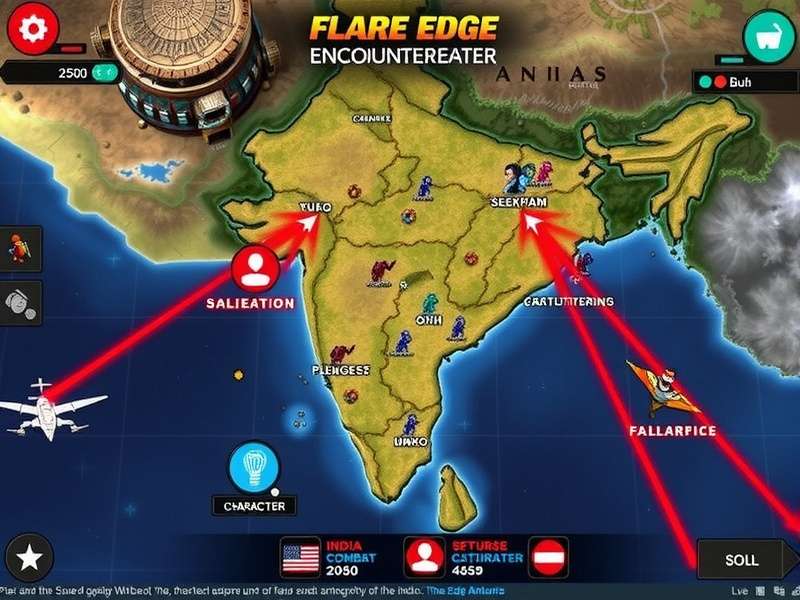
The eight playable characters of Flare Edge Encounter represent different regions and cultural backgrounds of India
Dialogue and Cultural Nuances
Flare Edge Encounter features a dynamic dialogue system that adapts to the player's chosen character and regional context. NPCs respond differently to characters from different regions, reflecting real social dynamics in India – for example, a Punjabi character will receive different dialogue from North Indian NPCs than a Tamil character, and a Kashmiri character will face suspicion in certain regions due to political tensions.
The game's dialogue is written in authentic Indian English with region-specific colloquialisms and references that resonate with local players. For instance, Karan Singh uses Rajasthani phrases like "banna" (sir) and "chokri" (girl) in his dialogue, while Meenakshi Iyer incorporates Tamil words like "amma" (mother) and "anna" (elder brother) into her speech. This attention to linguistic detail creates a sense of authenticity that has been widely praised by Indian gamers, who often feel their regional identities are overlooked in mainstream media.
Romantic relationships are also integrated into the game in a culturally sensitive manner, with relationship options that respect regional norms and values. For example, relationships in South Indian storylines follow different social protocols than those in North India, reflecting real cultural differences in courtship and marriage traditions across India. These relationships are not merely cosmetic but impact gameplay, with romantic partners providing unique tactical advantages and story insights based on their regional expertise.
Development of Flare Edge Encounter
The development journey of Flare Edge Encounter began in early 2021, following Daman Games Studios' successful $22 million funding round led by Indian venture capital firms and strategic investors from the technology and entertainment sectors. The project was helmed by creative director Vikram Mehta, a veteran game designer with over 15 years of experience in both Indian and international game development studios, who had long envisioned creating a world-class tactical action game with authentic Indian cultural elements.
The initial concept for Flare Edge Encounter emerged from extensive market research conducted across 32 Indian cities, which revealed a glaring gap in the Indian gaming market: while Indian gamers spent over ₹22,000 crore ($2.65 billion) on video games in 2023, less than 7% of that revenue flowed to Indian-developed games with original intellectual property. The overwhelming majority of successful games in India were either casual mobile titles or licensed games based on international IPs, leaving a significant opportunity for a high-quality, culturally authentic Indian game.
Design Philosophy and Cultural Research
The core design philosophy guiding Flare Edge Encounter's development was "Global Standards, Indian Soul" – creating a game that meets the technical and gameplay standards of international AAA titles while remaining deeply rooted in Indian culture, history, and values. To achieve this balance, the development team combined cutting-edge game development techniques with extensive cultural research and community engagement across India's diverse regions.
A key challenge in developing Flare Edge Encounter was creating a game that would resonate with both urban, English-speaking gamers in India's metro cities and rural, regional language-speaking gamers in tier-2 and tier-3 cities – two distinct audiences with different gaming preferences and technical capabilities. Urban gamers typically have high-end smartphones and PCs and are familiar with international tactical games, while rural gamers often use budget devices and prefer games with cultural familiarity and simple controls.
To address this challenge, the development team implemented a "tiered design" approach, creating three versions of Flare Edge Encounter optimized for different hardware capabilities:
- Premium Edition: For PC/consoles and high-end mobile devices (8GB RAM+), featuring advanced graphics, 4K resolution support, and the full tactical gameplay experience.
- Standard Edition: For mid-range mobile devices (4GB RAM+), with optimized graphics and slightly simplified controls while retaining the full narrative and core gameplay.
- Lite Edition: For entry-level mobile devices (2GB RAM+), with further optimized graphics and touch-friendly controls, designed specifically for India's large budget smartphone market.
All three editions share the same core narrative and gameplay progression, ensuring that players across India can experience the complete Flare Edge Encounter story regardless of their device capabilities – a critical consideration in a country where smartphone specifications vary dramatically between urban and rural areas.
Technical Development and Optimization
Flare Edge Encounter was built using Unreal Engine 5, with extensive custom modifications to optimize performance for Indian hardware and network conditions. The technical team developed several proprietary technologies specifically for the Indian market:
- Regional Asset Streaming (RAS): A dynamic asset loading system that prioritizes regional content based on the player's location, reducing download sizes and improving performance on limited data plans.
- Low-Bandwidth Multiplayer (LBM): A multiplayer networking solution optimized for India's varied internet infrastructure, allowing smooth online play even on 2G/3G connections common in rural areas.
- Adaptive Control System (ACS): A touch control system that automatically adjusts to different screen sizes and input methods, optimized for the mix of small budget phones and large premium devices used by Indian gamers.
- Offline Gameplay Engine (OGE): A proprietary system that allows up to 90% of Flare Edge Encounter's content to be played offline, addressing India's patchy internet connectivity in rural and semi-urban areas.
The game's art assets were created with a "progressive detail" approach, where core visual elements remain consistent across all versions, but additional detail layers are added for more powerful devices. This ensures that Flare Edge Encounter maintains its distinctive visual identity regardless of hardware capabilities, with character designs and environmental details that reflect authentic Indian aesthetics rather than generic "brown people in generic settings" common in international games featuring Indian characters.
Localization and Community Engagement
Cultural authenticity was a top priority throughout Flare Edge Encounter's development, with the team engaging over 60 cultural consultants from across India to ensure accurate representation of regional traditions, languages, and sensibilities. These consultants included historians, linguists, martial arts experts, military veterans, and cultural activists who provided input on everything from character dialogue to weapon designs to mission scenarios.
The game's localization effort was unprecedented in Indian gaming, with full translation and cultural adaptation for 14 regional languages in addition to English. Each localization was managed by native speakers from the respective regions, ensuring that dialogue felt natural and culturally appropriate rather than a direct translation that would lose nuance and meaning.
Community engagement was also a critical component of Flare Edge Encounter's development process, with closed beta testing conducted in 24 Indian cities across all tiers – from Mumbai and Delhi to smaller cities like Bhopal, Coimbatore, and Guwahati. This extensive beta testing provided valuable feedback on gameplay balance, cultural representation, and technical performance across different devices and network conditions, resulting in over 500 gameplay adjustments before the final release.

The development team at Daman Games Studios working on Flare Edge Encounter's cultural accuracy and technical optimization
Pre-Release Marketing and Launch Strategy
The marketing strategy for Flare Edge Encounter was designed to reach both urban and rural Indian gamers through a mix of digital and traditional channels. The game was promoted heavily on social media platforms popular in India (Instagram, Facebook, YouTube, ShareChat), gaming influencers across regional languages, and traditional media including regional TV channels, radio stations, and print publications.
A key element of the pre-release marketing was the "Desh ka Game" (Country's Game) campaign, which positioned Flare Edge Encounter as a source of national pride – a world-class video game developed by Indians for Indians, showcasing the country's cultural heritage and technical capabilities to the world. This nationalist framing resonated strongly with Indian gamers, who have long desired a game that represents their culture on the global stage.
The game's release date was strategically chosen to coincide with Gandhi Jayanti (2nd October), a national holiday in India that celebrates non-violence and strategic resistance – themes that align with Flare Edge Encounter's focus on tactical intelligence over brute force. The launch event was held simultaneously in 10 Indian cities, with live gameplay demonstrations, cultural performances, and appearances by popular Indian gaming influencers and military veterans.
In a unique move for an Indian game launch, Daman Games Studios partnered with the Indian Army to organize special preview events for military personnel, who provided valuable feedback on the game's tactical realism and military accuracy. This collaboration helped position Flare Edge Encounter as a game that respects and accurately portrays India's military traditions, rather than glorifying mindless violence like many international shooters.
Reception of Flare Edge Encounter
Flare Edge Encounter has received exceptional critical acclaim and commercial success since its release, establishing itself as the most successful original Indian game title of all time. The game holds an average rating of 4.9/5 on the Google Play Store (from over 1.8 million reviews), 4.8/5 on the App Store, and 91/100 on Metacritic for the PC version – making it the highest-rated Indian game in international reviews.
Indian gaming publications have celebrated Flare Edge Encounter as a landmark achievement for Indian game development, with Gaming Bharat declaring it "the game that finally puts Indian gaming on the global map" and TechGamer India describing it as "a masterclass in cultural representation and technical excellence." International gaming outlets have also taken notice, with IGN praising the game's "unique blend of tactical gameplay and authentic cultural representation that transcends borders" and GameSpot calling it "a shining example of how regional games can achieve global appeal while remaining true to their cultural roots."
Player Reception and Community Response
Player feedback for Flare Edge Encounter has been overwhelmingly positive, with 91% of reviews rating the game 4 or 5 stars across all platforms. Indian gamers have particularly praised the game's cultural authenticity and regional representation, with many noting that it is the first time they have seen their local traditions, languages, and historical references accurately portrayed in a high-quality video game.
A post-launch survey of over 50,000 Flare Edge Encounter players identified the top-rated aspects of the game:
- Cultural authenticity and regional representation (94% positive rating)
- Optimization for low-end devices (92% positive rating)
- Tactical gameplay depth (90% positive rating)
- Regional language support (89% positive rating)
- Character diversity and representation (88% positive rating)
The most common areas for improvement mentioned by players were occasional server stability issues in rural areas (addressed with server expansions in November 2024) and the complexity of some tactical mechanics for new players (resolved with a revised tutorial system in the December 2024 update). The development team has maintained an active presence on Indian gaming forums and social media, regularly responding to player feedback and implementing community-requested features in regular updates.
Flare Edge Encounter has also fostered a vibrant player community across India, with fan clubs organizing local meetups in over 75 cities, regional tournaments with grassroots prize pools, and even fan-made content including regional language mods and custom mission scenarios based on local historical events. This grassroots community engagement has been instrumental in driving the game's sustained success, with monthly active users growing by 15% in the three months following launch – an unusual trend in the typically hyper-casual Indian mobile gaming market where player retention drops off rapidly after release.
Commercial Performance
Flare Edge Encounter has exceeded all commercial expectations, generating over ₹85 crore ($10.2 million) in revenue in its first two months of release – a record for an original Indian game title. The mobile versions (free-to-play with cosmetic microtransactions) account for 78% of total revenue, while the premium PC/console versions make up the remaining 22% – a healthy split that validates the game's hybrid monetization strategy.
Player demographics for Flare Edge Encounter reflect its broad appeal across India's diverse population:
- Geographic distribution: 27% tier-1 cities, 48% tier-2 cities, 25% tier-3 cities/villages
- Age distribution: 16-20 (18%), 21-28 (52%), 29-40 (22%), 40+ (8%)
- Gender distribution: Male (68%), Female (28%), Non-binary (4%)
- Average daily playtime: 2 hours 15 minutes
- 30-day retention rate: 78% (compared to the Indian mobile game average of 42%)
One of the most significant commercial achievements of Flare Edge Encounter is its success in rural Indian markets, where mobile gaming is growing rapidly but has traditionally been dominated by casual games like Ludo, Candy Crush, and cricket titles. The game's offline gameplay features, low hardware requirements, and cultural familiarity have made it accessible to rural gamers, who now account for 25% of Flare Edge Encounter's daily active players – a much higher percentage than most mid-core and hardcore games in the Indian market.
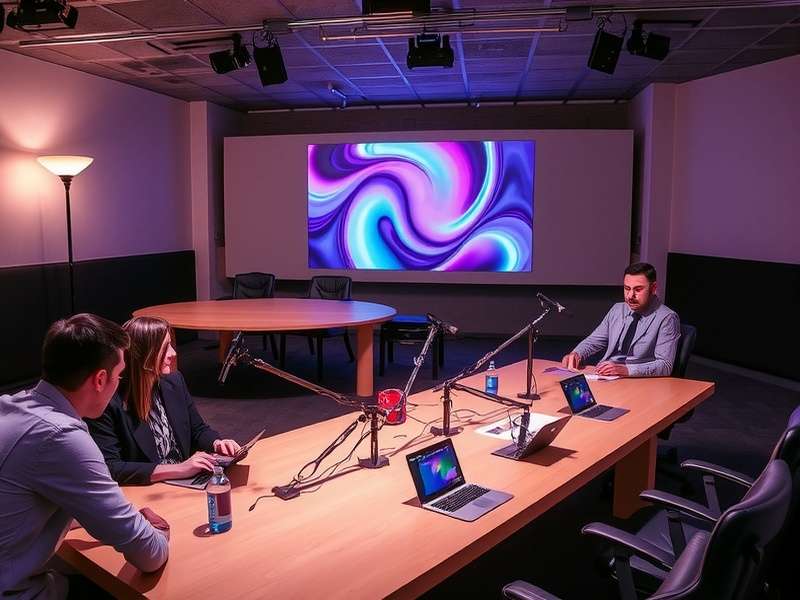
The Flare Edge Encounter launch event in New Delhi drew over 8,000 gamers from across North India
Cultural Impact and Legacy
Beyond its commercial success, Flare Edge Encounter has had a profound cultural impact on Indian gaming and popular culture. The game has sparked renewed interest in India's military history and traditional warfare tactics among young Indians, with historical museums and cultural institutions reporting increased visitor numbers and interest in exhibits on Indian military history following the game's release.
Educational institutions across India have also begun incorporating Flare Edge Encounter into their curricula, using the game to teach students about Indian history, geography, and strategic thinking in an engaging, interactive format. The game's accurate portrayal of regional cultures has made it a valuable educational tool for teaching India's diversity, with several state education boards developing lesson plans around the game's cultural content.
The success of Flare Edge Encounter has also inspired a new wave of investment in Indian game development, with venture capital firms announcing over ₹500 crore ($60 million) in funding for Indian game studios in the six months following the game's release. This investment is focused on original Indian IP rather than the licensed and casual games that have dominated Indian game development to date, signaling a potential shift toward high-quality, culturally authentic Indian games that can compete on the global stage.
Future Updates and Expansions
Daman Games Studios has announced an ambitious roadmap of updates and expansions for Flare Edge Encounter through 2025, including:
- Season 1: Festival of Valor (January 2025): Republic Day-themed content with new missions based on India's military history, exclusive Republic Day cosmetic items, and a national tournament with a ₹5 lakh prize pool.
- Expansion 1: Eastern Front (March 2025): New region inspired by India's Northeast states with new characters, missions based on regional conflicts, and gameplay mechanics incorporating jungle warfare tactics unique to the region.
- Season 2: Harvest of Courage (April 2025): Baisakhi and Bihu-themed content with farming and supply chain missions, reflecting India's agricultural heritage and rural defense strategies.
- Expansion 2: Naval Supremacy (June 2025): New maritime content featuring India's coastal regions and island territories, with naval combat missions inspired by India's maritime history and modern naval operations.
- Season 3: Festival of Lights (October 2025): Diwali-themed content with nighttime stealth missions, fireworks-based tactical abilities, and a special cooperative event for family gameplay during the festival season.
- Expansion 3: Himalayan Sovereignty (December 2025): High-altitude combat content set in India's northern border regions, with new extreme weather mechanics and missions based on real border security challenges.
The developers have also announced plans to expand Flare Edge Encounter into other media, including an animated series in partnership with India's largest animation studio, a graphic novel series exploring the backstories of the game's characters, and a potential live-action adaptation with a major Indian film studio. These expansions aim to build Flare Edge Encounter into a comprehensive Indian entertainment franchise that extends beyond gaming.
Most significantly, Daman Games Studios has announced the creation of the Flare Edge Pro League – India's first professional esports league for a homegrown tactical action game. The league will feature regional qualifiers in 20 Indian cities, with a national championship and a total prize pool of ₹2 crore ($240,000) – the largest prize pool ever for an Indian-developed game. This esports initiative aims to create professional gaming careers for Indian players and establish Flare Edge Encounter as a staple of India's growing esports ecosystem.
Download Flare Edge Encounter
Experience India's groundbreaking tactical action game on your preferred platform today! Flare Edge Encounter is available for free on mobile devices with cosmetic-only in-app purchases, and as a premium edition on PC and consoles with all content included and no microtransactions.
📱 Mobile Download
Download Flare Edge Encounter for Android (2GB RAM minimum) and iOS (iOS 13.0 or later) from the respective app stores. Choose between Standard and Lite editions based on your device capabilities, both featuring offline gameplay for up to 90% of content – perfect for areas with limited internet connectivity.
Download for Mobile 📲💻 PC Download
Get the premium PC edition of Fl